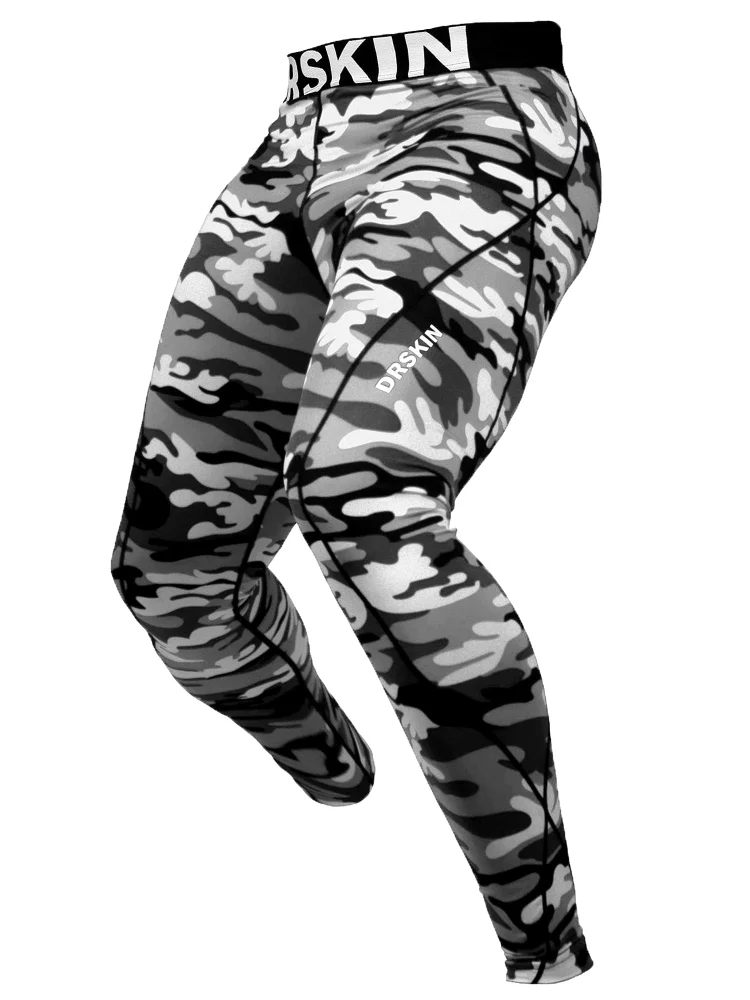
Compression tights
Compression Tights, camo grey
- Sizes S to 3XL
- UPF 50+ fabric
- 9 colourways
4.5 · 34,081 ratings
from $8.98
Official DRSKIN compression wear catalogue
You cannot try a base layer on before the parcel arrives, so every DRSKIN card says what the photograph cannot: what the knit is made of, how many garments are in the box and which colours, and where that cut's size run stops. Full-length tights from under nine dollars, compression and 10-inch shorts, long- and short-sleeve base layers, hooded and mesh tanks, and fleece-lined layers for the months the summer knit cannot cover.
Start with what people buy most
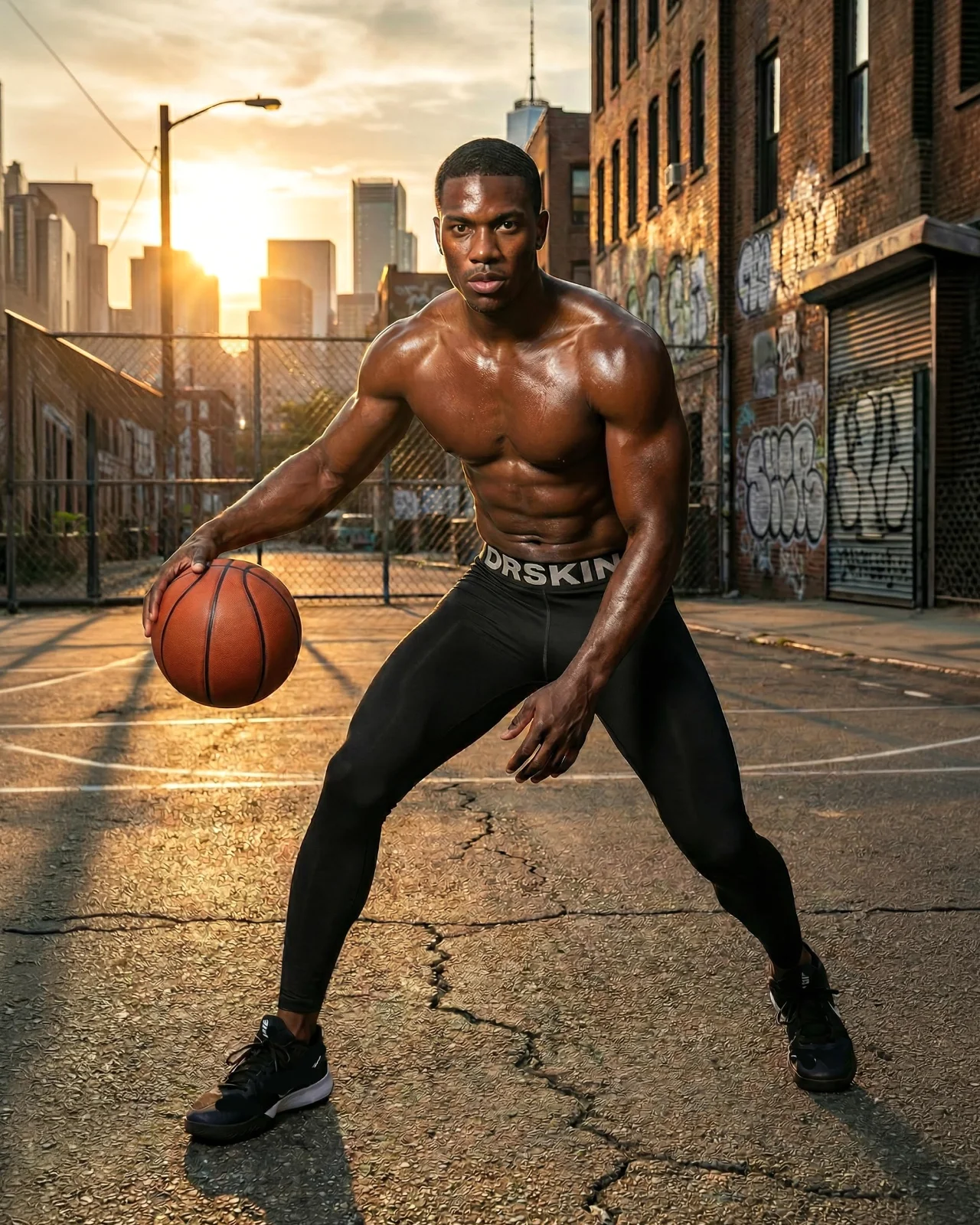 Layer 01
01Eight shelves
Almost everything here costs between nine and fifty dollars, so the price will not decide it. What you are short of will: a pair that stops the outer short riding, a sleeve for a cold start, a tank for the third session of the week, a brushed layer for November.
02What leaves first
Dealt down this page in three blocks, with the fabric, the pack contents and the size run on every card before you click.
Compression tights
4.5 · 34,081 ratings
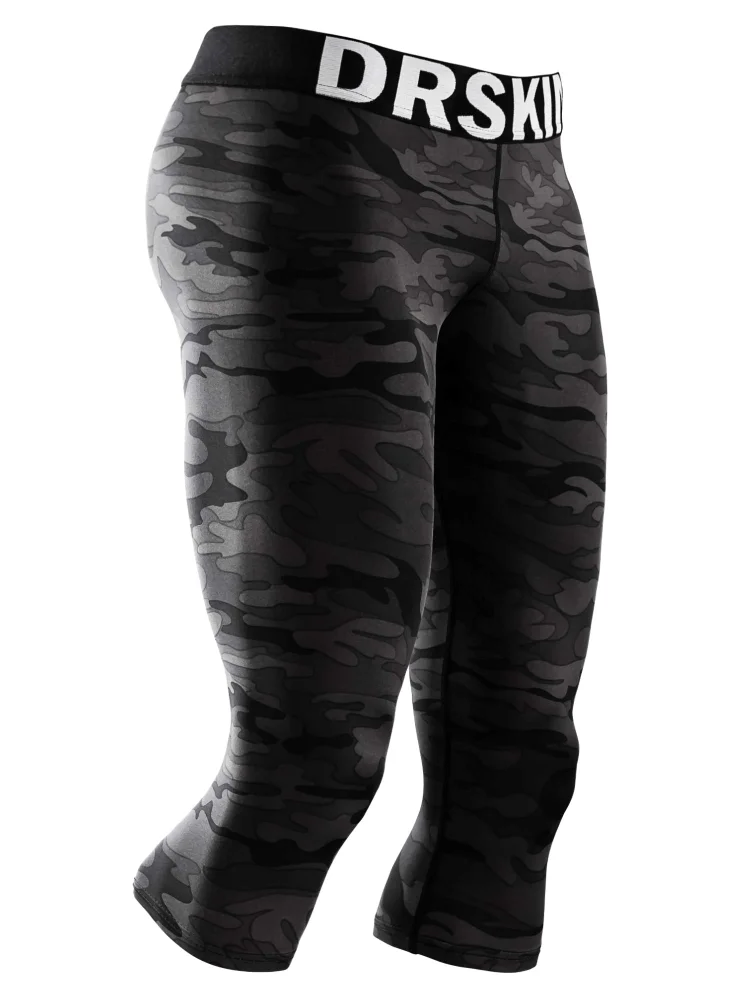
Three-quarter tights
4.4 · 10,701 ratings
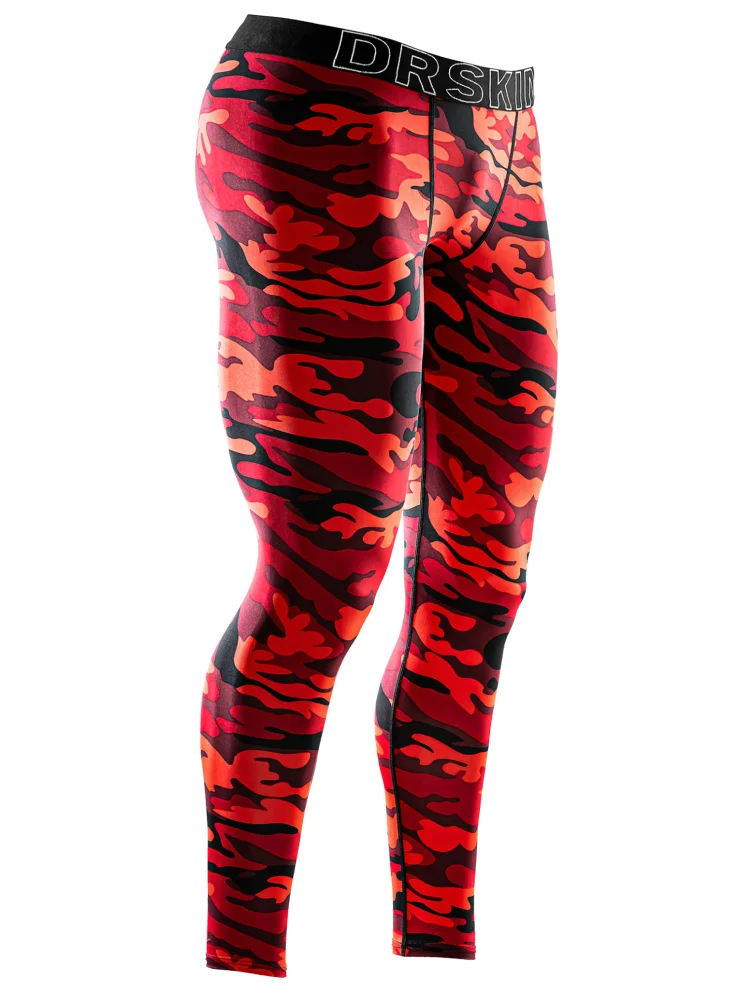
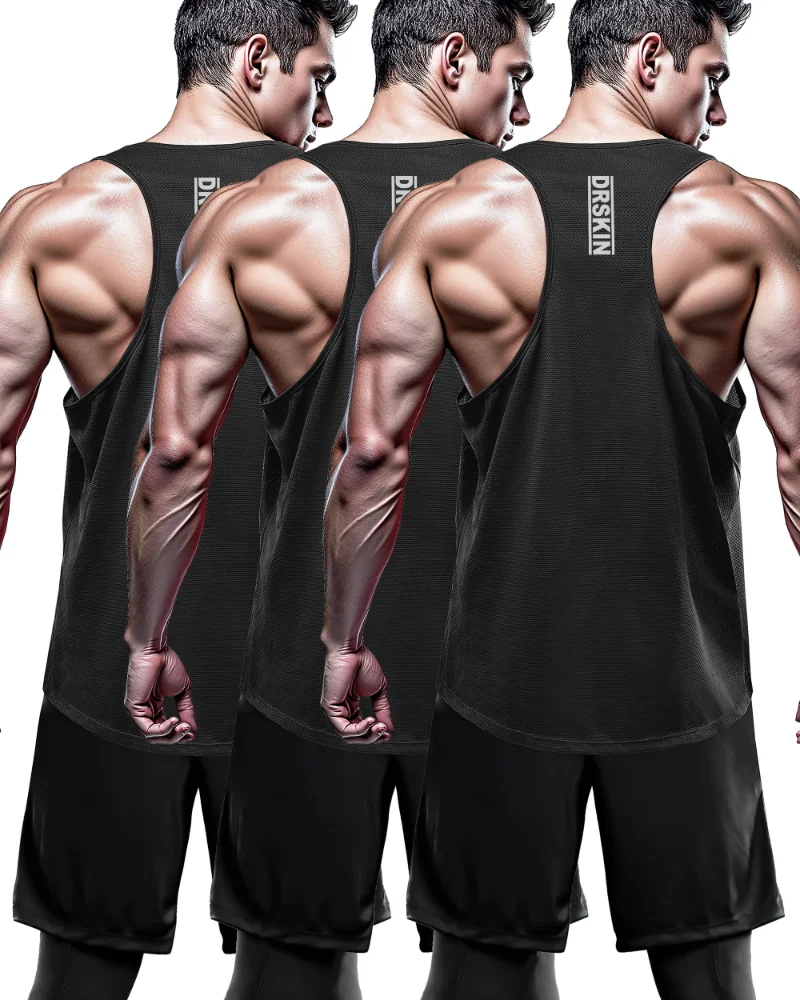
Muscle tank
4.3 · 9,951 ratings
03What is inside it
Everything on a DRSKIN card rests on two things: what the cloth is made of and how it is finished. Both are printed. The label sewn into the garment is the document that governs washing.
The body of the cloth. It is what makes the garment dry quickly and hold its shape wet, and it is the reason nothing here needs ironing. On its own it would not stretch enough to be worn close.
The part doing the work, and the reason the label names it: the textile rule lets a fibre under five per cent disappear into "other fiber" unless it does a job, and stretch is the job the rule itself gives as the example.
The winter finish. The same knit raised on the inner side so it holds a layer of still air against the skin, with the outer face left smooth so a trouser or a jacket still slides over it.
The summer finish, used on the tanks and one three-quarter cut. A more open knit structure in the same polyester: it moves air across the back and it is not sheer at any size in the run.
| What the card says | What it means when you wear it | Where it turns up |
|---|---|---|
| 92% polyester, 8% spandex | Holds its shape wet, returns to size after a wash, dries fast | Tights, compression shorts, long- and short-sleeve base layers |
| Fleece-lined | A brushed inner face holding still air; the outer face stays smooth | The winter tights, the fleece top and the turtleneck |
| Mesh panels | A more open knit that moves air; not sheer at any size | The muscle tanks and the sleeveless base layers |
| Compression fit | Cut smaller than the body so it holds rather than hangs | Everything except the training tees and the 10-inch shorts |
| UPF fabric | A fiftieth of the ultraviolet through the cloth it covers, while dry | Most of the short-sleeve training tees |
| Two, three, four or five in a pack | One garment per session, in the colours the card names | Every shelf except the three-quarter tights and the straps |
| 10-inch inseam | Hem just above the knee on most adult legs | The loose athletic shorts, worn over a compression pair |
| Sizes S to 3XL | The full run; the tank shelf is the one that stops at 2XL | Tights, both shorts, long sleeves, tees, winter layers |
A fibre content describes what a garment is made of, not how long it lasts. the DRSKIN way prints the blend, the finish and the pack contents on every product page, one under the other.
04On a body, not on a hanger
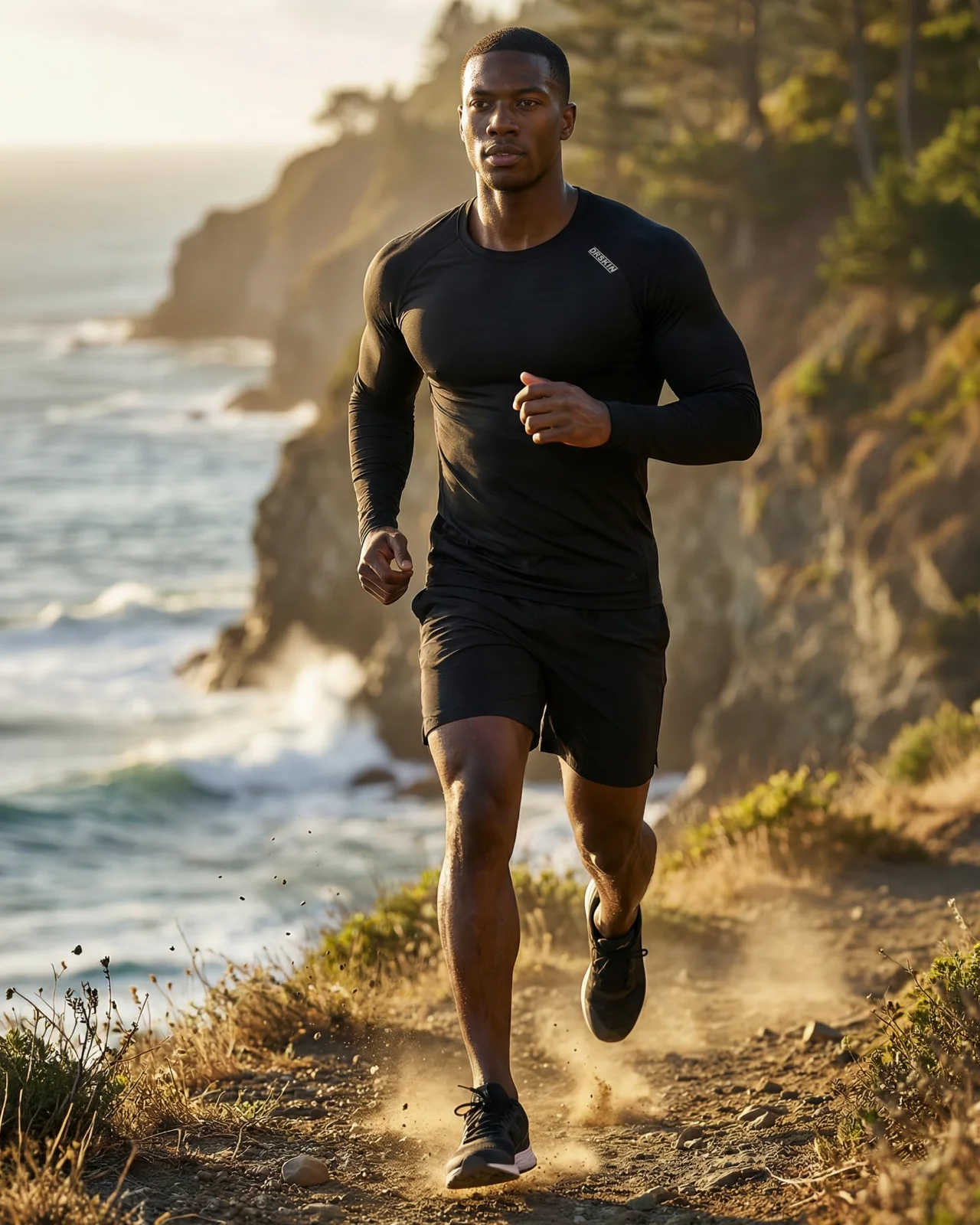
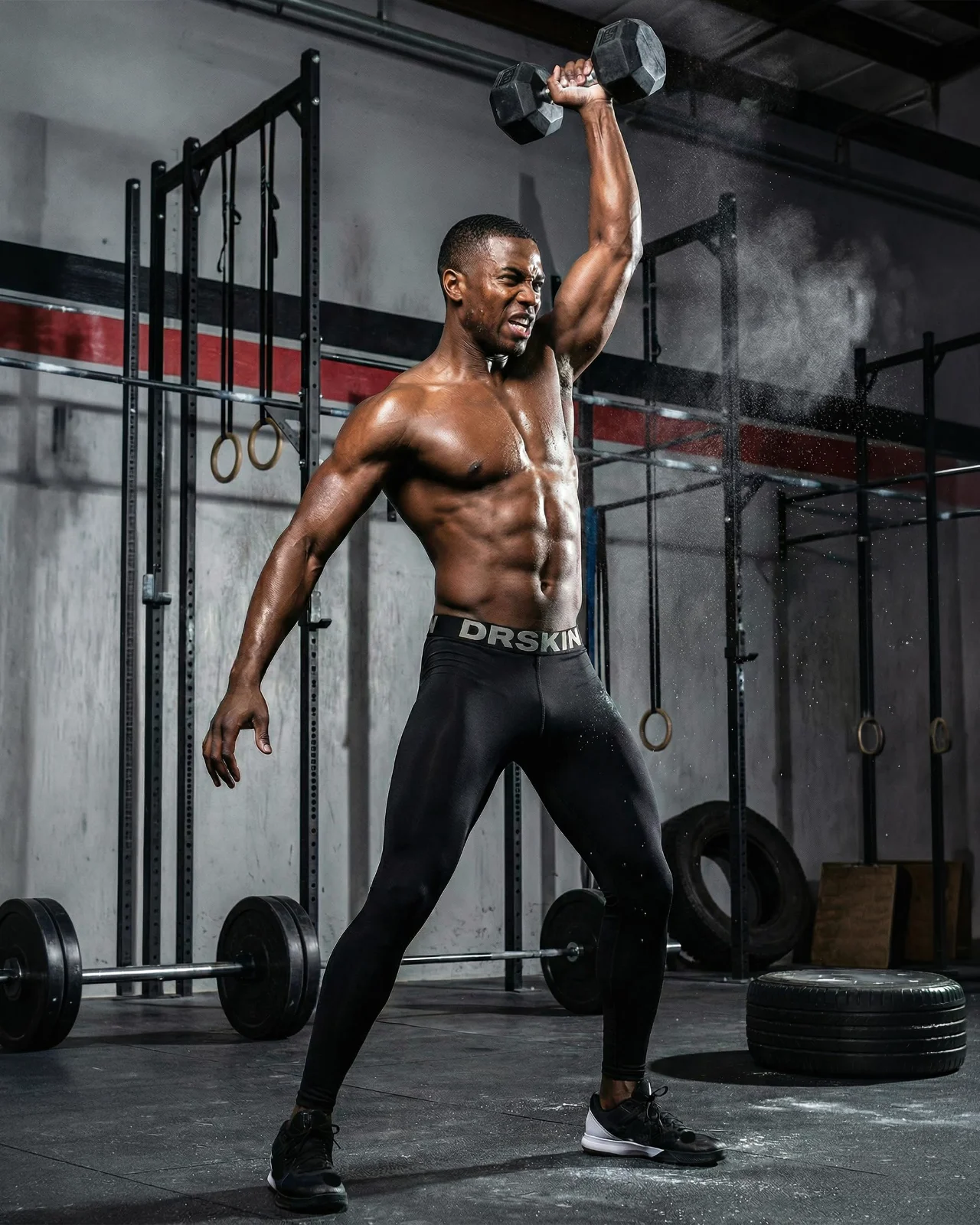
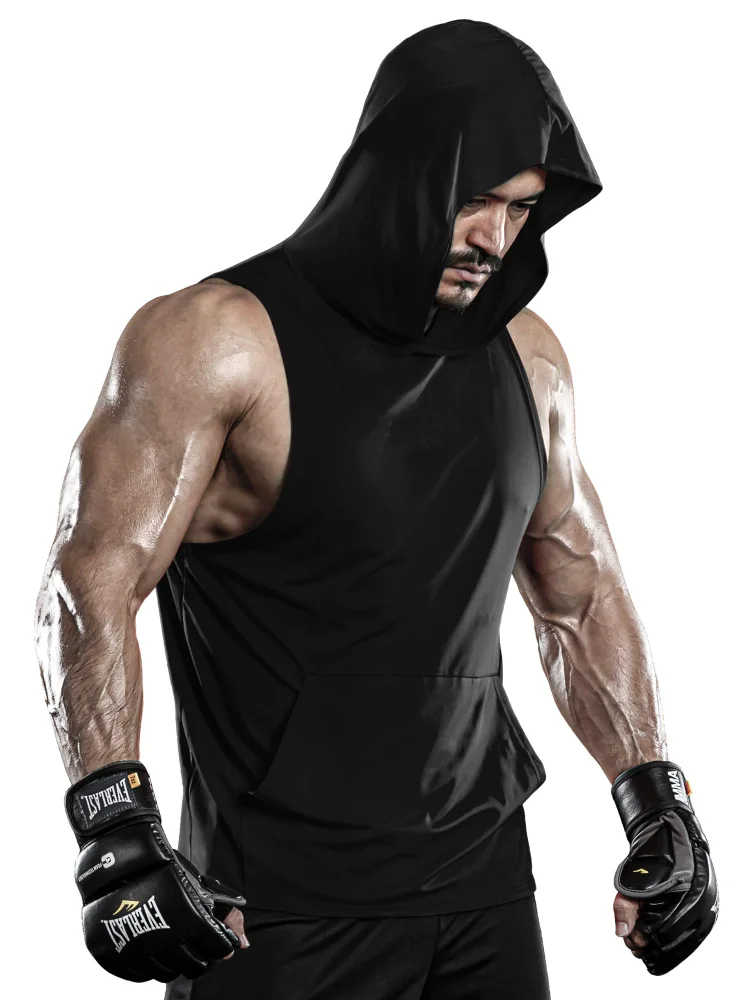
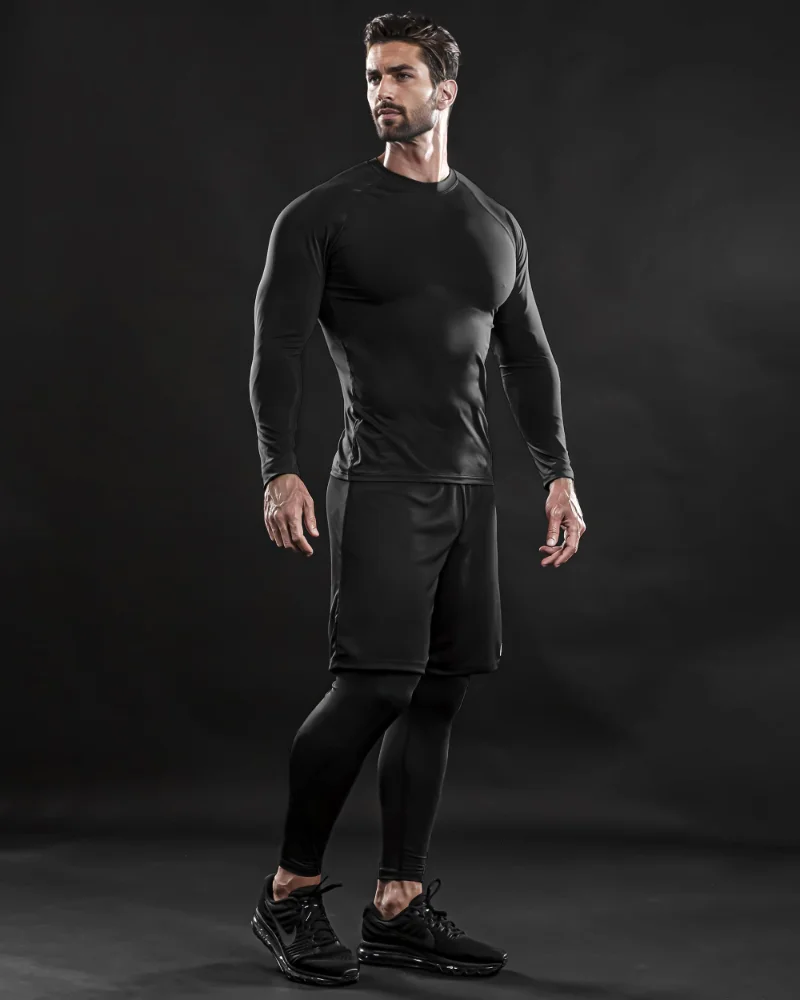
A long-sleeve layer under a jersey, a camo tight in the cold, a mesh tank in a summer gym, a hooded cut-off in a warm-up. What comes out of the box, once it is on.
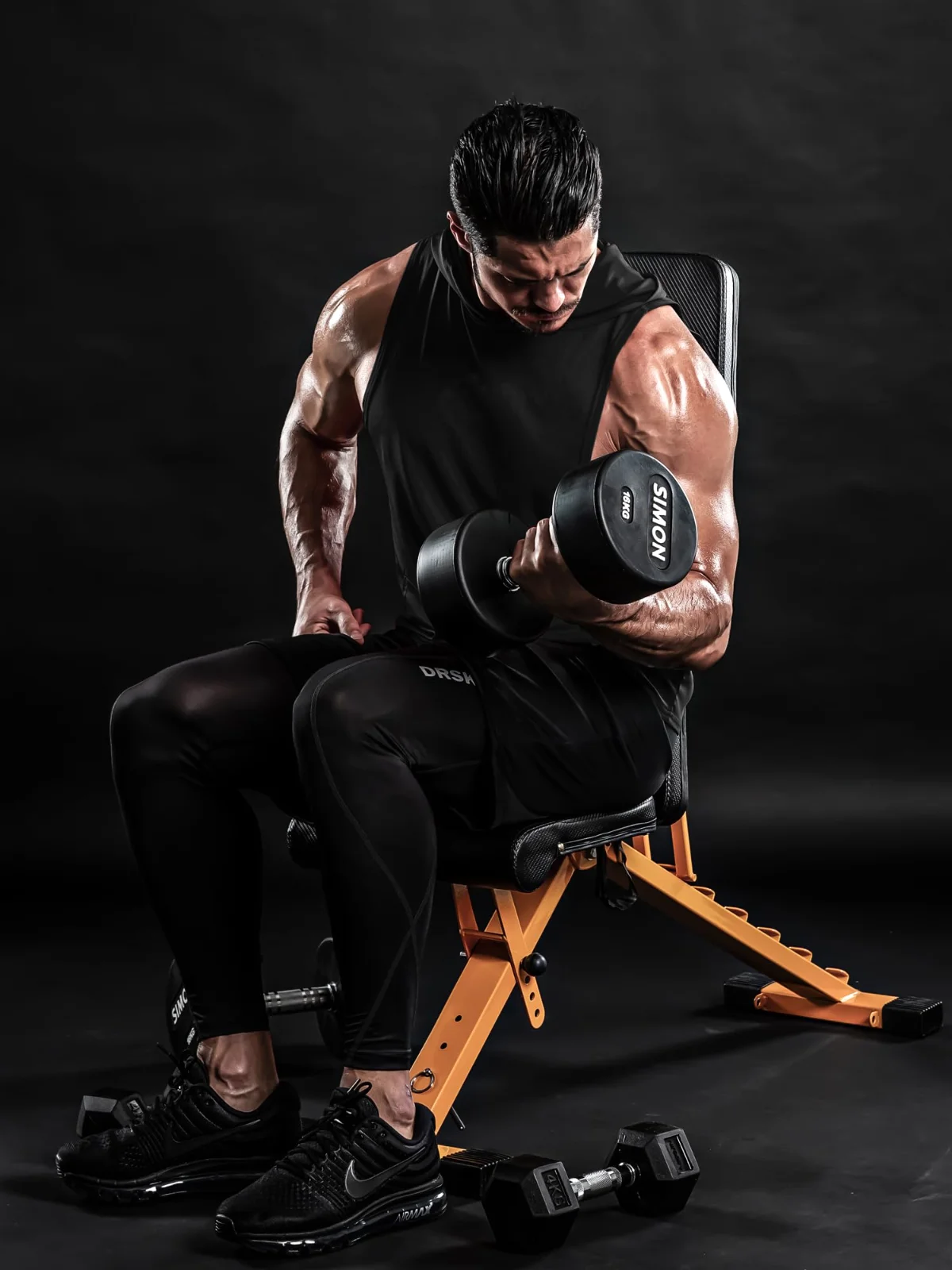
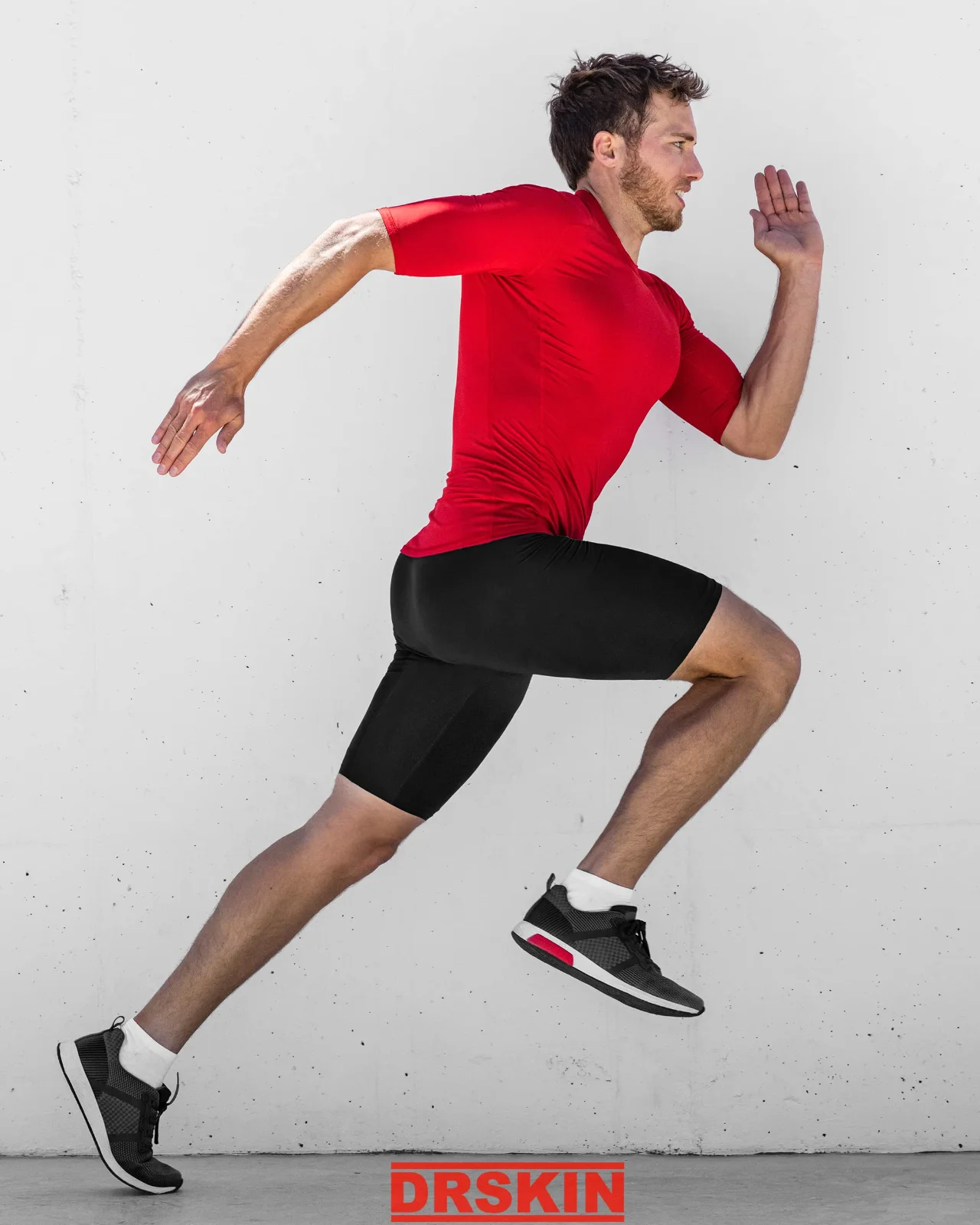
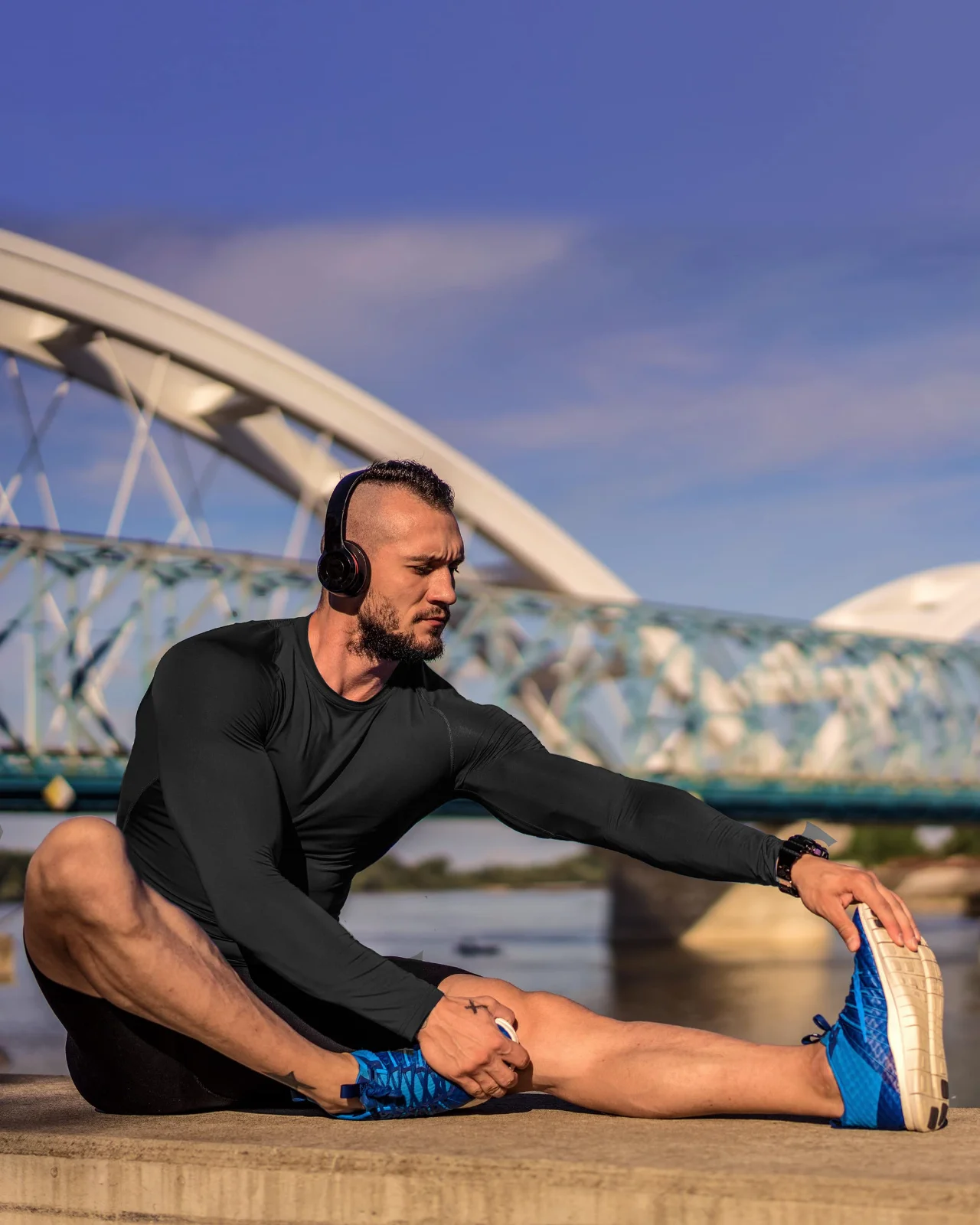
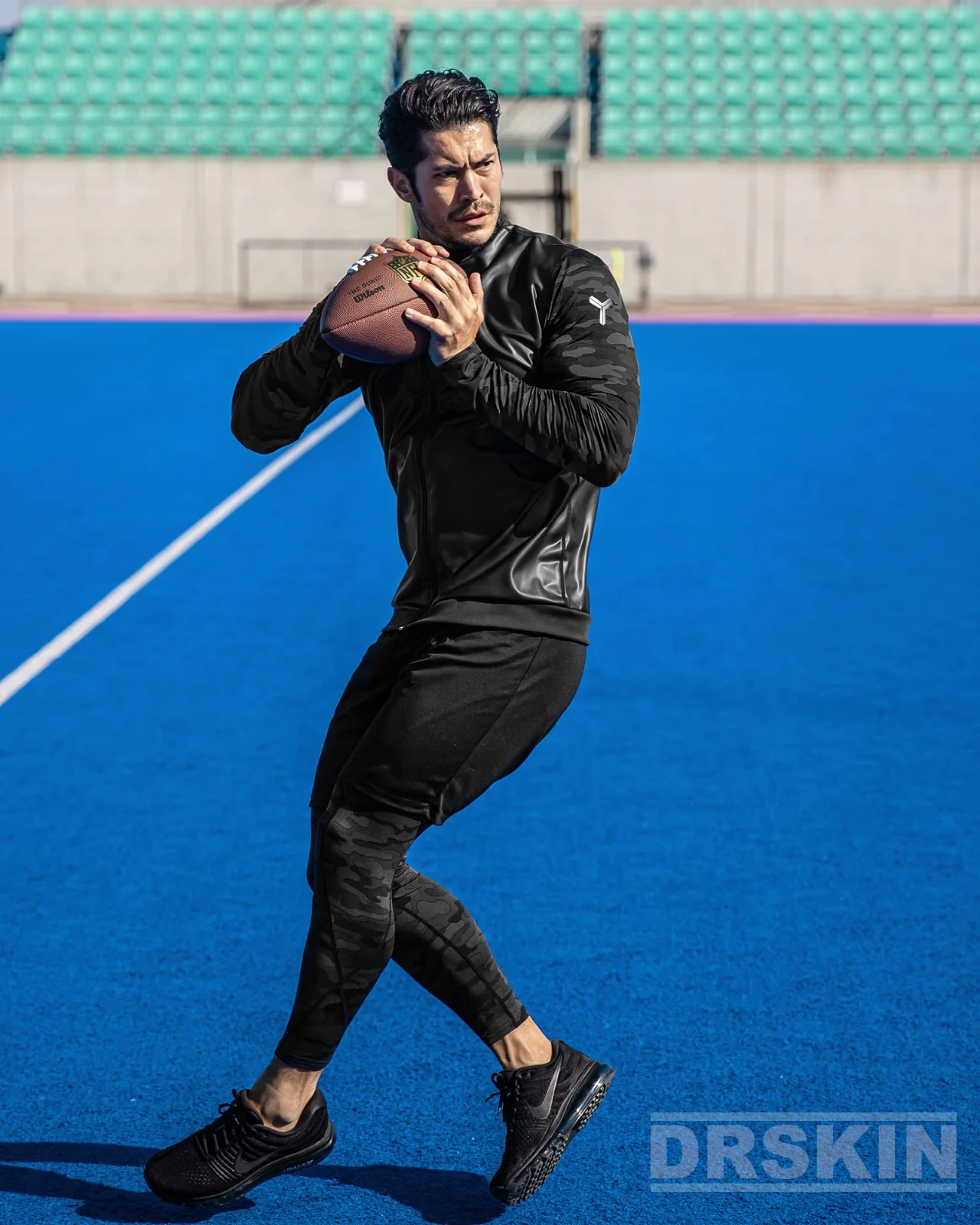
05The second block
The three and four-packs that cost less per garment than a single, the mesh tanks for a summer session, and the loose 10-inch short that goes over a compression pair.
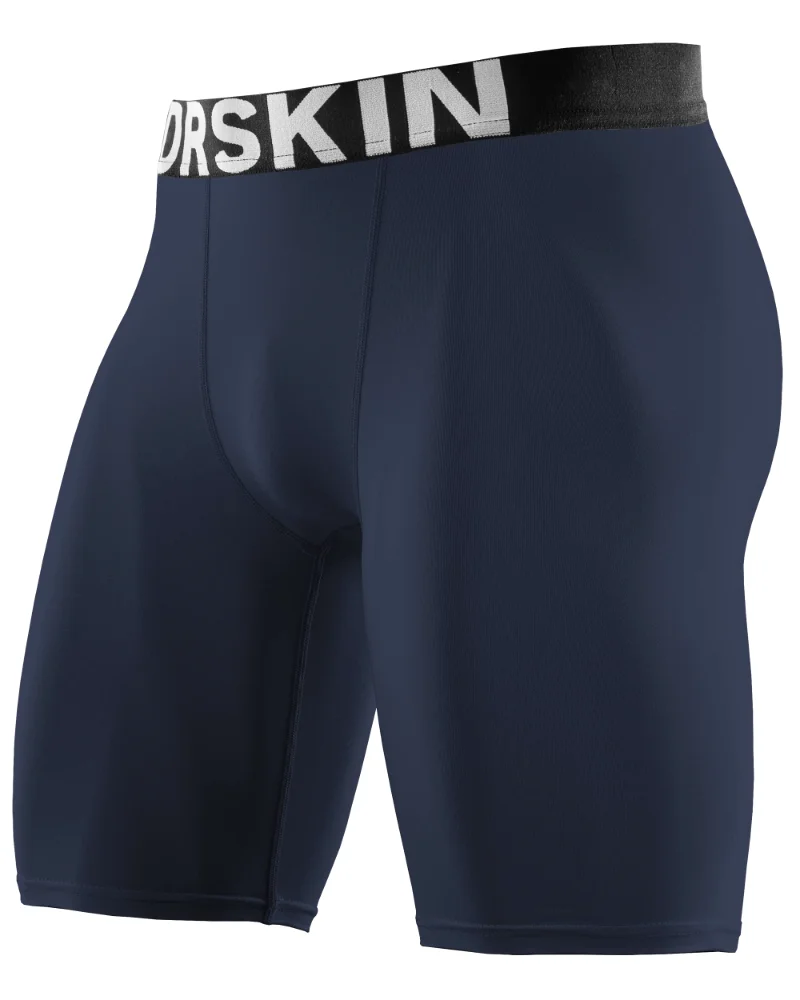
Compression shorts
4.3 · 3,207 ratings
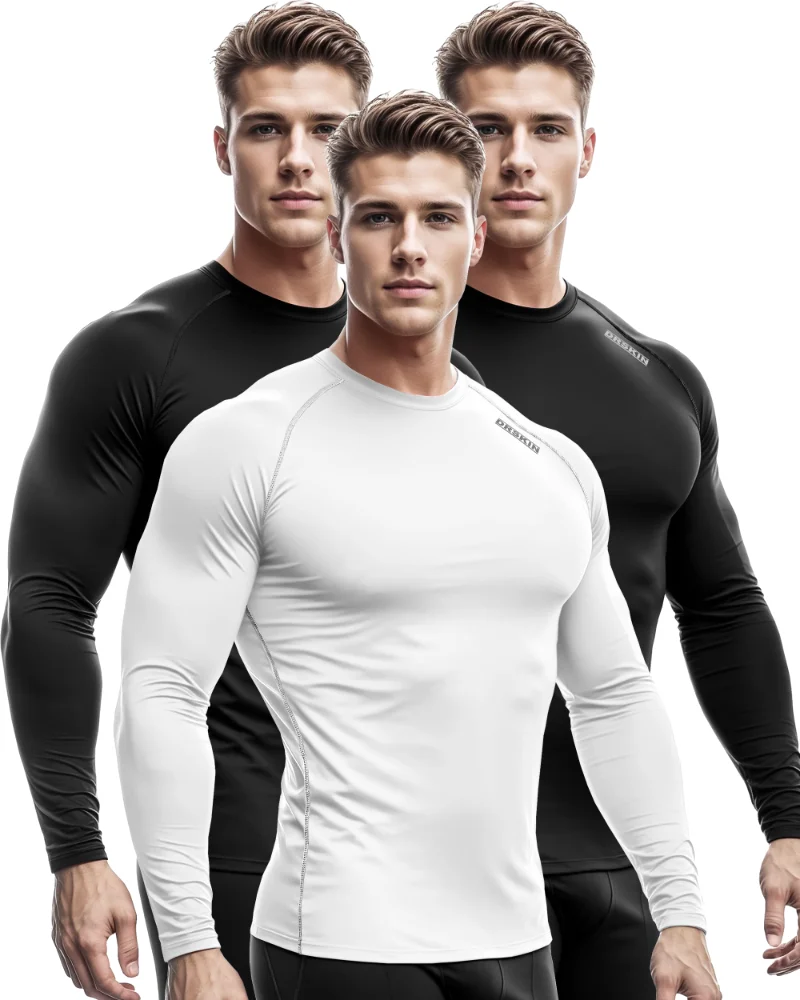
Long-sleeve base layer
4.6 · 2,775 ratings
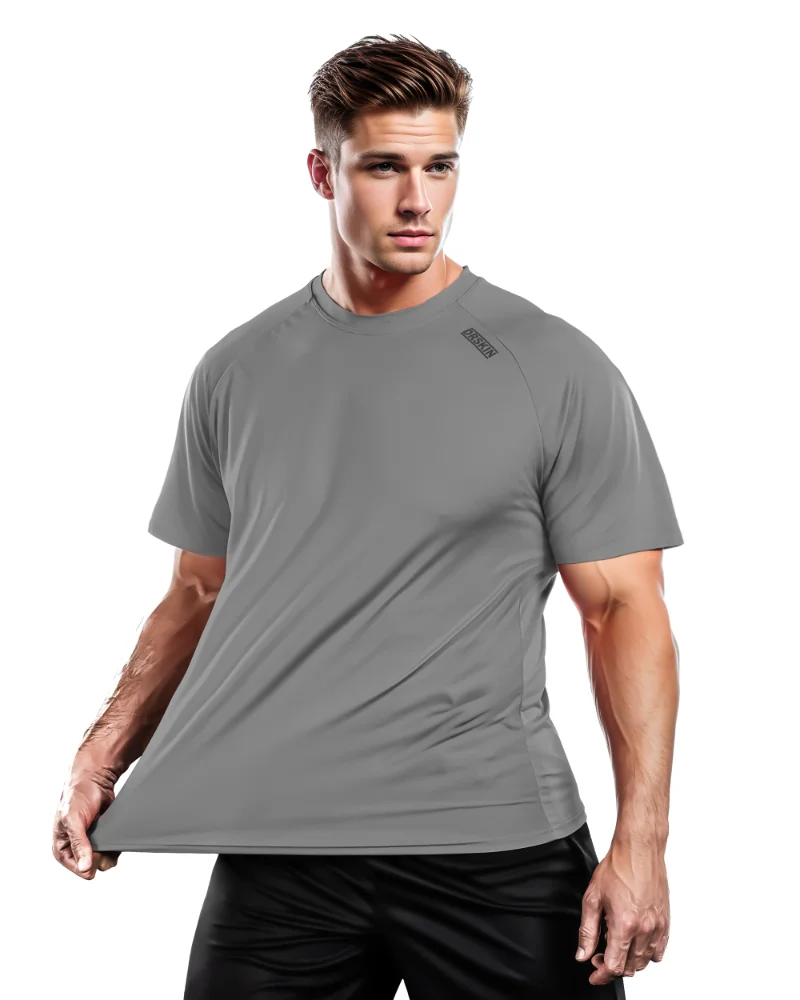
Training tee
4.4 · 2,217 ratings
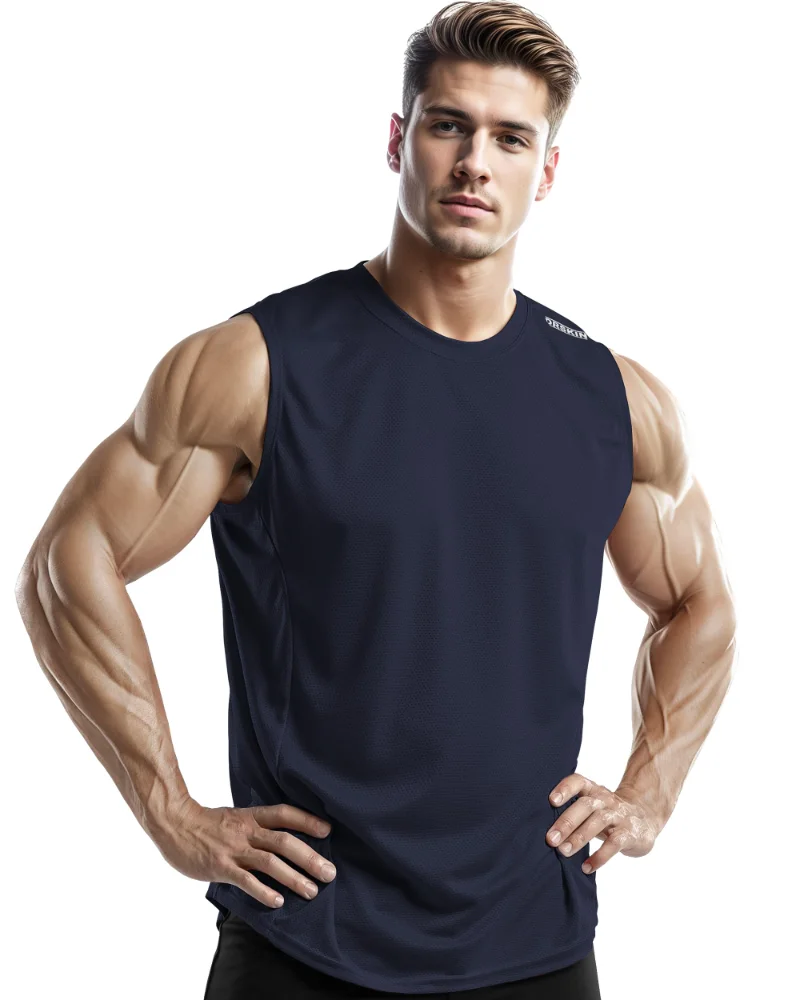
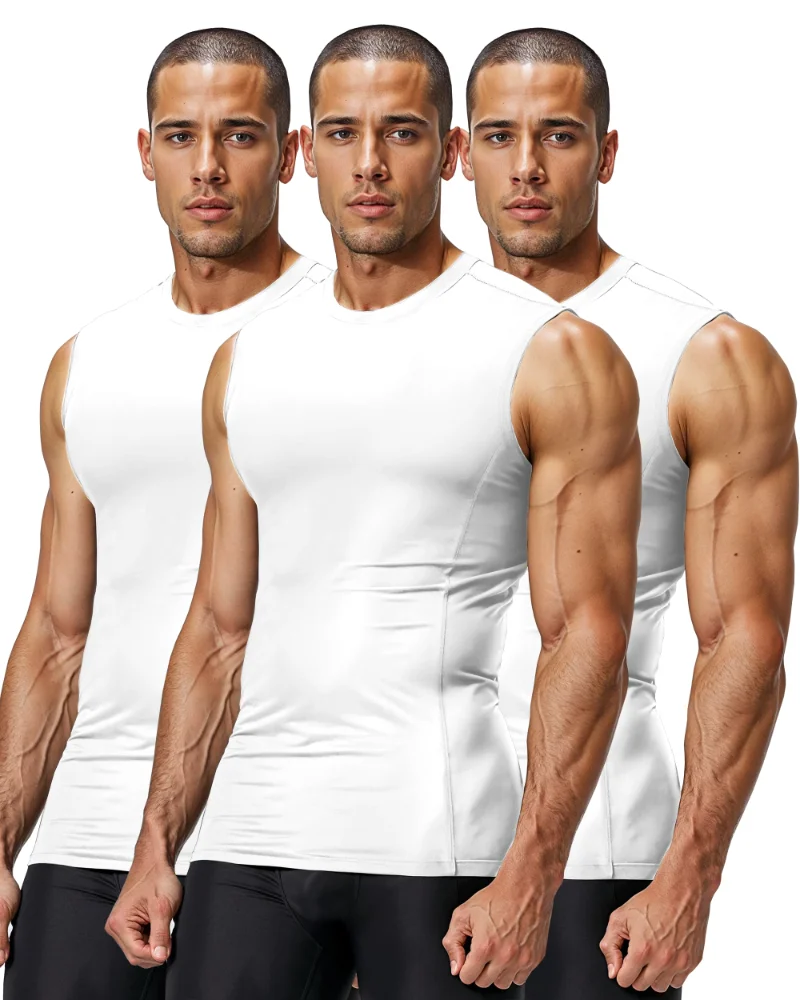
Sleeveless base layer
4.4 · 1,856 ratings
06Eleven years of one knit
A layer that sits closer than the body it goes on, in as few cuts as the job needs. Almost everything here is that idea with a different length of leg or sleeve on it.
The knit came first and it has barely moved: 92 per cent polyester with 8 per cent spandex, smooth outside, cut smaller than the leg or the chest it goes over. Everything else on these shelves is that cloth answered differently. Put a full leg on it and you have the tights; stop the leg at mid-thigh and you have the compression shorts; put a sleeve on it and you have the long-sleeve base layer; take the sleeve off and you have the sleeveless tank. Brush the inside face and you have the winter pieces.
What took longer to get right was the number in the box. A base layer comes off wet and does not get a second wearing, so the honest unit is not one garment but a week of them, and a drawer with one pair in it means washing after every session. That is why so much of this range is sold two, three, four and five to a box, why the price per garment falls as the pack grows, and why the card names the colours in a pack rather than leaving them to the parcel.
What we have not done is spread. Eleven years in and everyone at DRSKIN still works to the same eight shelves, seven of them clothing and one of them a pair of lifting straps that exists because customers asked for it. The colourways turn over. The cuts do not.
A fit, and nothing more. The garment is knitted smaller than the part of you it goes on, so it holds instead of hanging and an outer layer slides over it instead of gripping your skin. It is not a claim about blood, soreness or recovery, and you will not find one of those sentences anywhere on this site.
07What you are choosing between
Base layers get bought by photograph and judged after the first wash. Two rows below go against us: a premium brand outlasts ours, and a garment made to your measurements is a different product altogether.
| DRSKIN | Premium sports label | Supermarket own-brand | Fast-fashion app | Made to measure | |
|---|---|---|---|---|---|
| What it costs | Roughly nine to fifty dollars a garment | Four to eight times more | About the same | About the same | Ten times more |
| Fibre content, printed | On the card, before you click | On the product page | On the label in the shop | Sometimes, and sometimes wrong | You choose it |
| What is in the pack | Named on the card, colour by colour | Sold singly | Sold singly or in twos | Rarely stated | One at a time |
| Size run | S to 3XL, and the card says where its cut stops | S to 2XL as a rule | Whatever the rail holds | One run, optimistically labelled | Your measurements |
| Cost per garment in a pack | Falls with the pack on every shelf | No packs | Two for a little less | Occasionally | No |
| The catch | A fifteen-dollar tight will not see five seasons | You will not buy three of them | The knit is looser and it shows | The photo and the parcel are cousins | Six weeks and a fitting |
Prices are the range across this catalogue at our last update; the other four columns describe the category rather than any one shop.
08The part that is not ours to certify
Two things printed on this clothing are claims about a body: the UPF number on the summer tops and the warmth of the winter layers. Both are set out here under what the dermatologists and the federal rules say rather than as promises of our own.
A UPF number says how much ultraviolet, UVB and UVA both, a fabric lets reach the skin under it. UPF 50 blocks 98 per cent and lets two per cent through, and 50 is the lowest rating the Skin Cancer Foundation puts its seal on. Stretched or wet, a fabric loses some of that and turns more transparent: their own example is a white T-shirt that rates about 7 dry and 3 wet.
The Skin Cancer Foundation, read September 5, 2026The American Academy of Dermatology asks for a UPF number on the label, prefers dark colours and dense weaves over pale, open ones, and notes that dry fabric protects better than wet. Under protective clothing they still want a broad-spectrum, water-resistant sunscreen of SPF 30 or higher on every bit of skin the clothing does not cover, which on a short-sleeve tee is the forearms, the neck and the face.
American Academy of Dermatology, read September 5, 2026The federal guidance on working in the cold asks for several layers of loose clothing rather than one warm garment, and warns in the same document that clothing which restricts movement carries its own risk. That is why no fleece-lined piece on this site carries a temperature rating: a first layer cannot honestly claim one, and what goes over it is doing at least as much of the work.
US Centers for Disease Control and Prevention (NIOSH), read September 5, 2026Most clothing must carry a label naming each fibre by its generic name and its percentage by weight, largest first, plus the country of origin and who made or marketed it. A fibre under five per cent is listed as "other fiber" unless it does a job, and the rule's own example is spandex for stretch, which is why an eight per cent content is named on a pair of tights.
US Federal Trade Commission, read September 5, 2026This section is general information about sun protection, cold-weather clothing and how clothing sold in the United States is labelled. It is not medical advice, not athletic advice and not a certificate for any one piece. A UPF number on a card describes the fabric of that piece as our product data carries it, and only the skin the fabric covers while it is dry. Nothing here claims a compression garment prevents an injury, speeds a recovery or improves a performance; the label sewn into the garment is the document that governs washing.
09The rest of the counter
The long-sleeve base layer that rates highest of anything we make, the fleece-lined tights and turtleneck for the cold months, the three-quarter cut for May, and a pair of lifting straps.
Sleeveless base layer
4.3 · 265 ratings
Fleece-lined tights
4.6 · 216 ratings
Fleece-lined top
4.3 · 85 ratings
10What you are looking at
Seven shelves of clothing worn against the skin and one shelf that is a pair of lifting straps. The whole catalogue comes out of one knit answered at different lengths, so a size letter behaves the same way from shelf to shelf.
The starting point is a 92 per cent polyester knit with 8 per cent spandex, smooth on the outside and cut smaller than the part of the body it goes on. Put a full leg on it and you have the compression tights; stop the leg mid-thigh and you have the compression shorts; put a sleeve on it and you have the long-sleeve base layer; take the sleeve away and you have the sleeveless tank. Brush the inside face and it becomes the winter range.
That narrowness is deliberate and it has a practical consequence for you rather than for us: a letter that fits in the tights will behave the same way in the long sleeves, so you measure once. The only cuts that break the pattern are the loose training tee and the 10-inch athletic short, and both say so on the card, because they hang rather than hold.
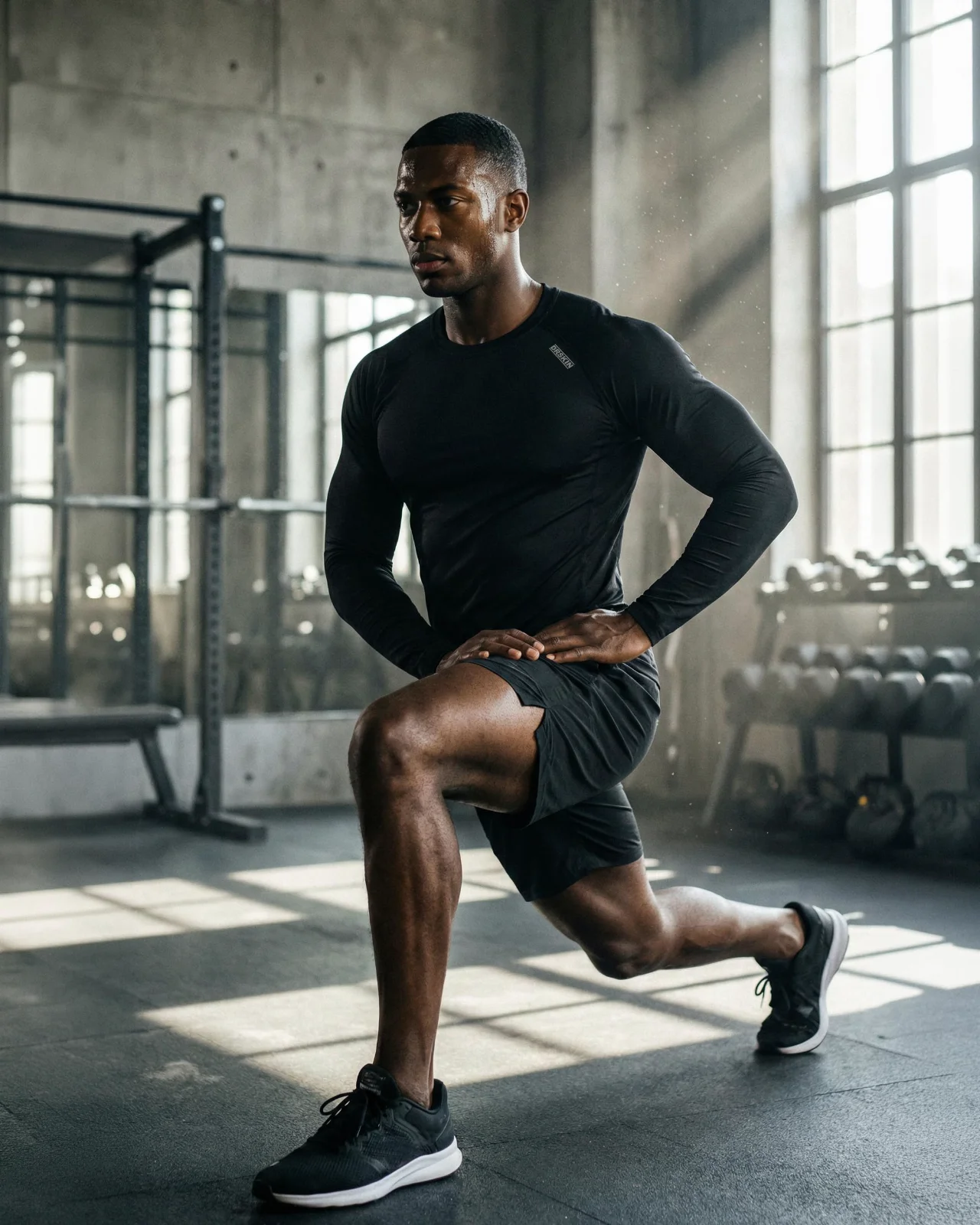
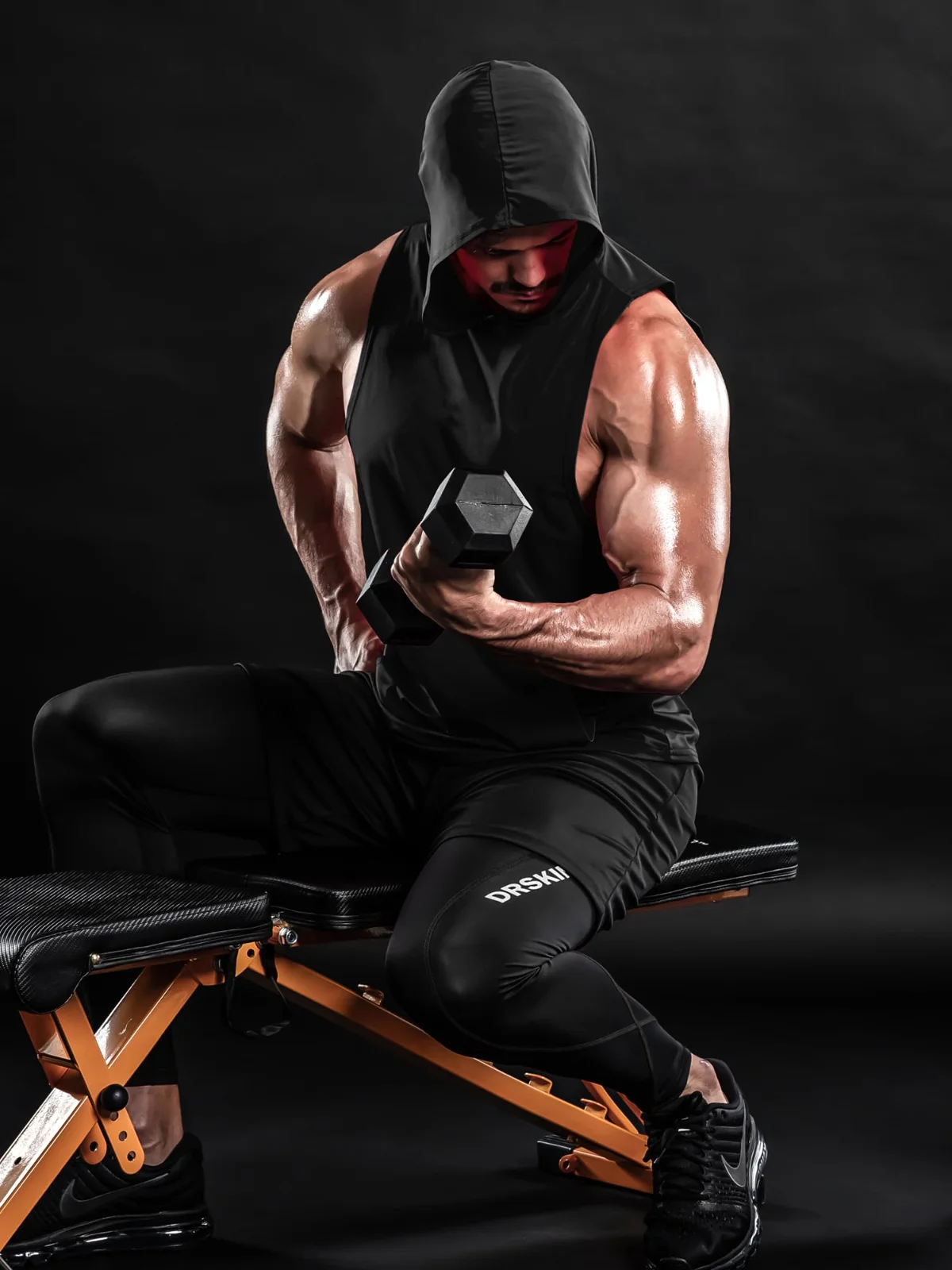
The second thing to know is the box. A layer worn against the skin comes off wet and does not get a second wearing, which makes the honest unit a training week rather than a garment. That is why most of this range is sold two, three, four and five to a box, why the price per garment falls as the box grows, and why the colours in a pack are named on the card instead of left to the parcel.
What we will not do is tell you what a close-fitting garment does for your muscles. It holds rather than hangs, it gives an outer layer something smooth to slide on, and it moves sweat off you. Everything beyond that belongs to you and, where it matters, to a clinician, and you will not find one of those sentences anywhere on this site.
| Shelf | What it is for | Sizes | Sold as |
|---|---|---|---|
| Compression tights | The full-length layer under everything else | S to 3XL | Singles and packs to five |
| Compression shorts | Stops the outer short riding up the leg | S to 3XL | Singles, twos and threes |
| 10-inch athletic shorts | The loose outer layer, hem above the knee | S to 3XL | Singles, twos and threes |
| Long-sleeve base layers | Cold starts and contact sports | S to 3XL | Singles, threes and fours |
| Short-sleeve training tees | Loose, quick-dry, most with a UPF rating | S to 3XL | Singles and twos |
| Tank tops | Hooded, Y-back or sleeveless, for a warm gym | S to 2XL | Singles and packs to four |
| Thermal base layers | A brushed inside face for the cold months | S to 3XL | Twos and threes |
| Three-quarter tights | Knee covered, ankle free, for the warm half of the year | S to 3XL | Singles |
The longer answer to “what is this brand” lives on Read what DRSKIN makes and who it is for.
11Straight to a piece
Compression pants, compression shirts, tank tops, shorts and the packs first; the rest are one click away, each page with its pieces, prices, colourways and size runs.
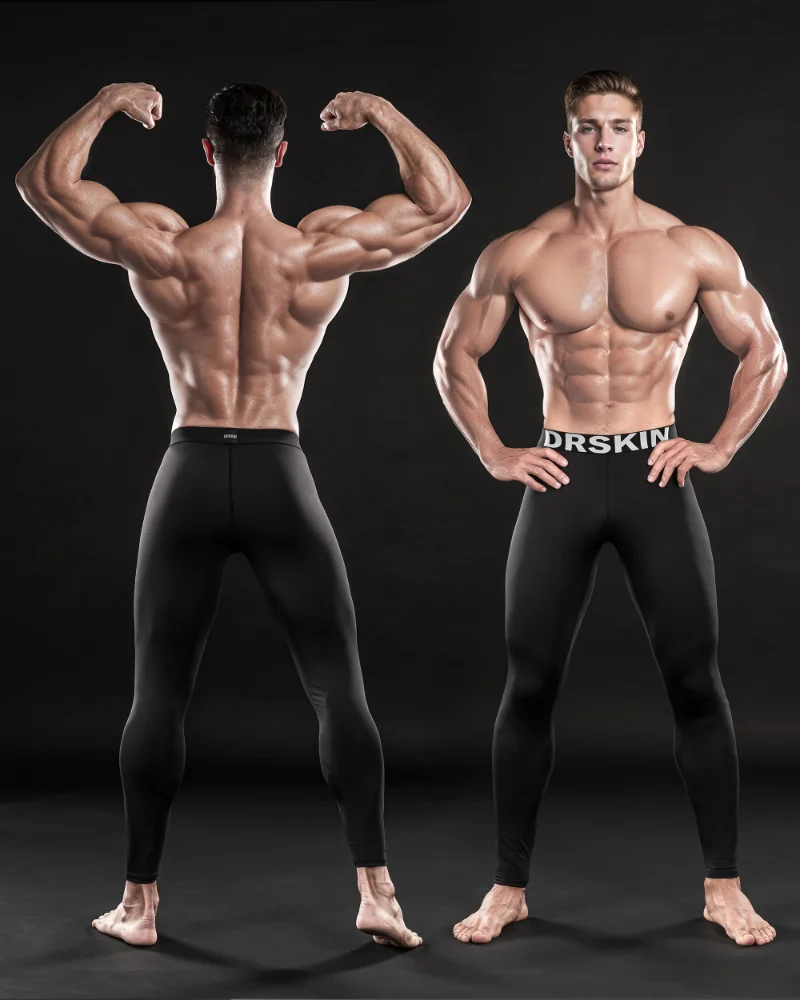
Compression pants are what most people mean when they type our name into a search box, and this is the whole of that shelf on one page: the same full-length cut sold on its own and in packs of two, three, four and five, with the price per pair falling as the pack grows. The knit does not change between them, so the only decision left is how many pairs you go through in a week.
A compression shirt has to hold the torso without fighting the arm, which is why the sleeve length is the first thing to settle and the size letter is the second. This page holds both answers: the long-sleeve base layer for cold mornings and contact sports, and the sleeveless cut for the months when a sleeve is one layer too many.
Ten cards, three different tanks, and the cheapest thing we make. A hooded cut-off goes over a shirt for a warm-up and comes off; a Y-back muscle tank leaves the shoulder blade open so a heavy pull does not drag the strap with it; a sleeveless base layer holds the torso under a jersey. They are not versions of each other, and the card says which one you are looking at.
A compression short is bought for one reason: so the short over it stops riding up. It sits mid-thigh, it holds, and it is the piece that gets worn most often and photographed least. Sold on its own and in packs of two and three, S to 3XL.
Three is the number this range is really built around. It is one garment per session for a three-day week with nothing waiting in the wash, and on every shelf the three-pack costs less per piece than the single. This page collects all of them: tights, shorts, shirts, tanks and the fleece-lined winter layers.
12Before you click
The commonest mistake is ordering the letter from your shirts. Take two numbers once, hold them against the chart on the buying page, and the DRSKIN catalogue turns into a filter.
Tape level and snug against the skin, breathing out. Everything below the belt on this site is sized by this number and by nothing else: the leg of a compression tight has stretch to spare, the waistband does not, and a band a size too small is the complaint people write in about.
Tape level under the arms, not pulled tight, over nothing or over a thin shirt. Every top on the site follows this number. It is not the same as the collar size on your work shirts, and reading across from those is how people end up with a sleeve that stops short of the wrist.
These cuts are smaller than the body by design, and the smaller letter does not become right by being stretched into shape. The one place the rule reverses is the loose training tee and the 10-inch shorts, which are cut to hang: there the smaller letter usually sits better.
It is not the same across the site. The tights, both shorts, the long sleeves, the tees and the winter layers go to 3XL; the tank tops stop at 2XL. The card prints its own run, so read it on the piece rather than assuming the site has one answer.
A long-sleeve base layer cut to the smaller letter runs short at the wrist the moment you reach forward, and no amount of stretch gives that back. If you have long arms for your chest, this is the one garment on the site where you should size up regardless of what the chest number says.
The packs are cheaper per garment and that is exactly why a wrong letter hurts more in a pack. Order a single of anything you have not worn before, wear it once, and then buy the pack in the letter you now know. It costs a few dollars more and saves an exchange of three.
13In their words
Printed as they came, with the piece each one names linked underneath. Three of them are complaints, and those are the three worth reading twice.
★★★☆☆
I'm underwhelmed with this product. Ordering an XL (I'm 6' tall with 34" waist) I expected there to be a bit more compression to the fabric than I feel. I guess I could have ordered a size Large but then I fear that i would have experienced even more transparency to the fabric than I am now, which is disappointingly shear. I've attached a picture of my leg while standing still wearing these pants. You can clearly see the brand name of the knee sleeve that I have on underneath through the compression material.
★★★★★
I have a couple underarmour compression tights and recently started using them for working out. I fell in love with the feel and wanted some more options in different colors. I was nervous because of the price but don't worry they are awesome. My only issue is the lines running up and down the sides. I'd prefer solid colors as I'm sure most would. The sizing chart is a joke. Read reviews others have put with similar measurements to get it right. That's what I did and I'm happy. I'm 6'3" 175 lbs with a 30 waist and 33 length. It recommended an xxl. Lol. I was gonna go xl until I read reviews. Large fits perfect for me.
★★★★★
Alright, I am a female so this review will be tailored to just my experience. I bought these so that I could layer these under my work out pants. I bought a small, and honestly I really love these. Yes if you are a man the compression is probably not enough, especially not in the places it's needed. They fit basically like women's shorts. But if you aren't worried about that, then you may really love the feel of the material. It fits me like a glove! It's very soft and comfortable. Fits a bit tight in the waistband and legs, so there is light compression in the legs.
★★★★★
I bought L and XL because I was in between on the sizing chart. I ended up liking the XL for working out which gave me plenty of room for range of motion and the L for daily use such as shopping or working in the yard. The L was much tighter around my chest and armpit area if you want that tight look whereas the XL hung a bit off my chest and armpits which was much more comfortable.
★★★★★
These are very thin and light and stretchy and exactly what I was looking for as my base layer under my ski pants. They keep me from overheating while skiing and keep my ski pants from sticking to my legs in humid or sweaty ski days when I used to wear shorts under my ski pants. They do not restrict movement. The 3/4 length keeps them from getting bunched up inside my ski boots to irritate my shins.
★★★★★
I run all year-round in Massachusetts weather, despite temperature or precipitation. This season, I've been testing to see at what temperatures I can run in shorts, and pretty much freezing or above works for me. Below freezing, I didn't want to wear my Gor-Tex running pants (too bulky), so I got these tights. They work great for me when the temp is in the 20s, but they're not enough below that temp.
★★★★★
My go-to brand is DRSKIN for compression shirts - short sleeve, long sleeve and these thermals. Fit is right on (check the sizing info), compression is excellent and not restrictive. These thermals add a great layer of warmth. I've washed my short sleeve shirts dozens of times.
★★★★★
I prefer my clothing to be loose fitting, So I typically wear extra large Many reviews said I should order one size up in these I went with XL And the shirts fit, just Not quite as much extra room as I prefer, but Still a good fit. They do a good job of wicking away moisture
★★★★★
The three pack is a great deal, especially if you train and go through gear fast. For reference I am 5'11 and 250 lbs and ordered the 3X. They are fairly tight, but that is the whole point of compression, so no complaints there. If you want a true compression fit, size to the chart and trust it.
14Field Notes
How a compression garment should sit on you, what the fibre content on a label is telling you, why base layers come in packs, and what a brushed inside face does in the cold.
Two measurements, taken once, decide every garment on this site. What a compression cut is supposed to feel like in the first minute, which sensations mean the letter is wrong, and why the rule about sizing up reverses on exactly two shelves.
Ninety-two per cent polyester and eight per cent spandex is on almost every label here, and the small number is the one that matters. What the labelling rule requires a maker to print, what a care label is legally promising, and what a UPF number does and does not cover.
A base layer comes off wet and does not get a second wearing, which turns the question from "how many do I want" into "how many sessions are there between washes". The arithmetic, what a pack contains, and the one thing to read on a pack card before you order.
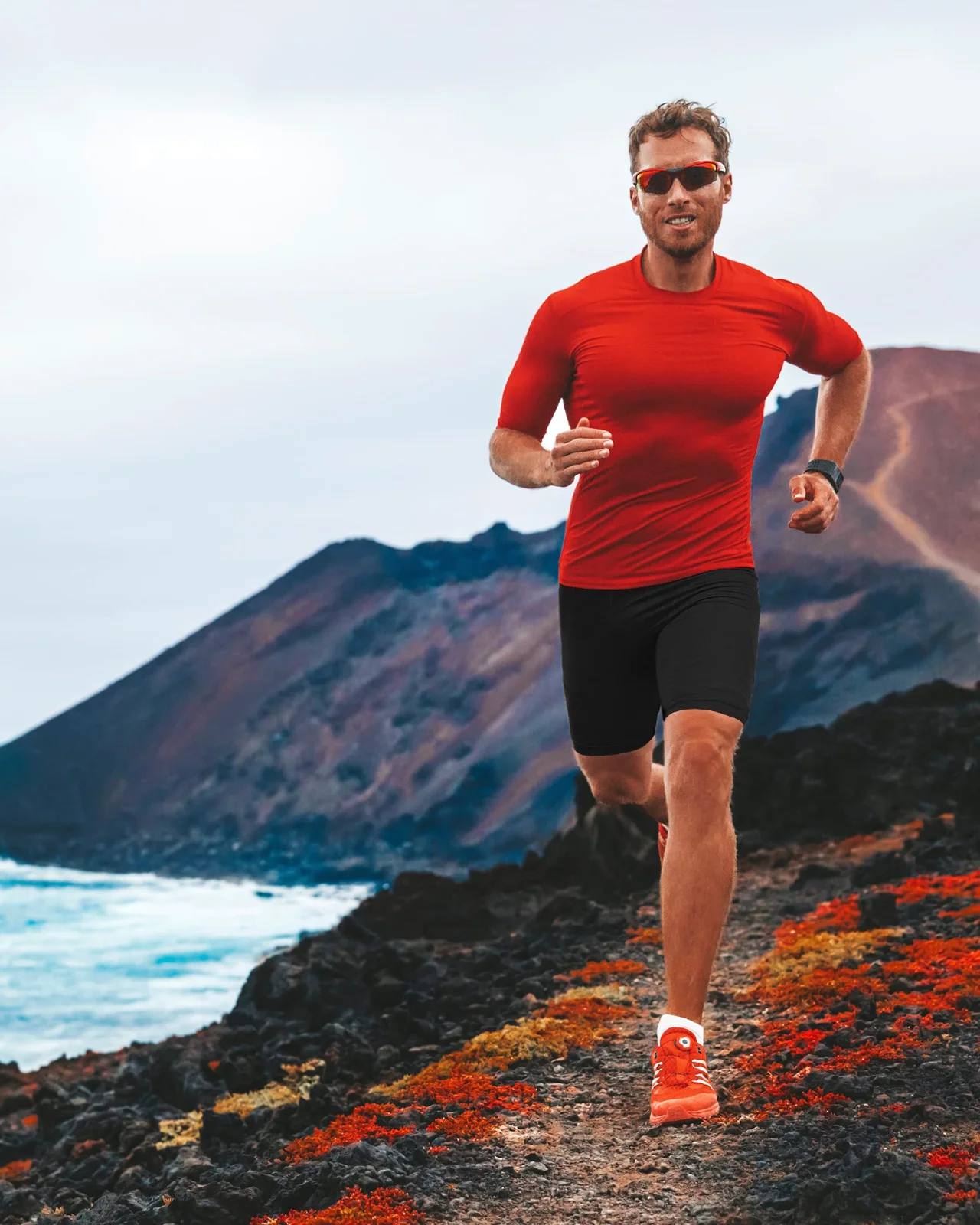
A brushed inside face holds still air against the skin. That is the mechanism, and it is the whole of what we will claim. What the public guidance on cold work asks for instead, why no garment here carries a temperature rating, and how to build the layers over it.
15Questions people send us
Six of them. Longer answers live on the shelf pages and in Field Notes.
Every buying button on this site opens the piece you were looking at, in the colourway and pack size you chose, at our retail partner. That is where you pick the size, where the payment, the delivery and any exchange happen, and the price you see there is the price you pay.
If you would rather see the whole range in one go, the button at the foot of every page opens the catalogue rather than a single garment.
Take two numbers: the waist for anything below the belt and the chest for anything above it, measured against skin rather than over a jumper. Hold them against the chart on the buying page, not against the letter you buy in shirts. Then, on anything with the word compression on it, take the larger letter if you land between two, because these are cut smaller than the body on purpose. The one place that rule reverses is the loose training tee, where the smaller letter usually sits better.
Close, yes. A compression knit is cut smaller than the body it goes on, the whole difference between it and a legging or a t-shirt, and a new pair feels tightest in the first minute of wearing it.
What is not normal: a waistband that folds over when you sit down, a knee or an elbow that goes numb standing still, or a sleeve that stops short of the wrist when you reach forward. Each of those is a letter too small rather than a garment doing its job.
Because a base layer comes off wet and does not get a second wearing. One of anything means washing after every session; three covers a normal training week with nothing hanging over a radiator. That is the entire reason the packs exist, and on every shelf here they also cost less per garment than the single.
What matters before you order is the colour line on the card. A pack arrives in the colours it names, one of each, rather than three of whichever you would have picked.
Most of the range is a 92 per cent polyester knit with 8 per cent spandex, and that eight per cent is the part doing the work: it is what pulls the leg back to its shape after it has been dragged over a heel. The textile labelling rule lets anything under five per cent be folded into "other fiber" but names a fibre that does a job, and stretch is the example the rule itself gives.
The winter pieces are the same knit brushed on the inside face, and the mesh tanks are the same polyester in a more open structure. The care label sewn into the garment is the document that governs washing.
We are not going to tell you that, and you should be careful of a shop that does. What a compression garment does is mechanical and describable: it sits closer than the body, it holds the muscle rather than letting it move under the skin, and it gives an outer layer something smooth to slide on so a short stops riding up.
What that adds up to for you is between you and, where it matters, a clinician. Nothing on this site claims a garment prevents an injury or speeds a recovery.
Every DRSKIN size, every pack
Every size, colourway and pack in the DRSKIN drawer sits behind this button, with the price from our last update against each one.